
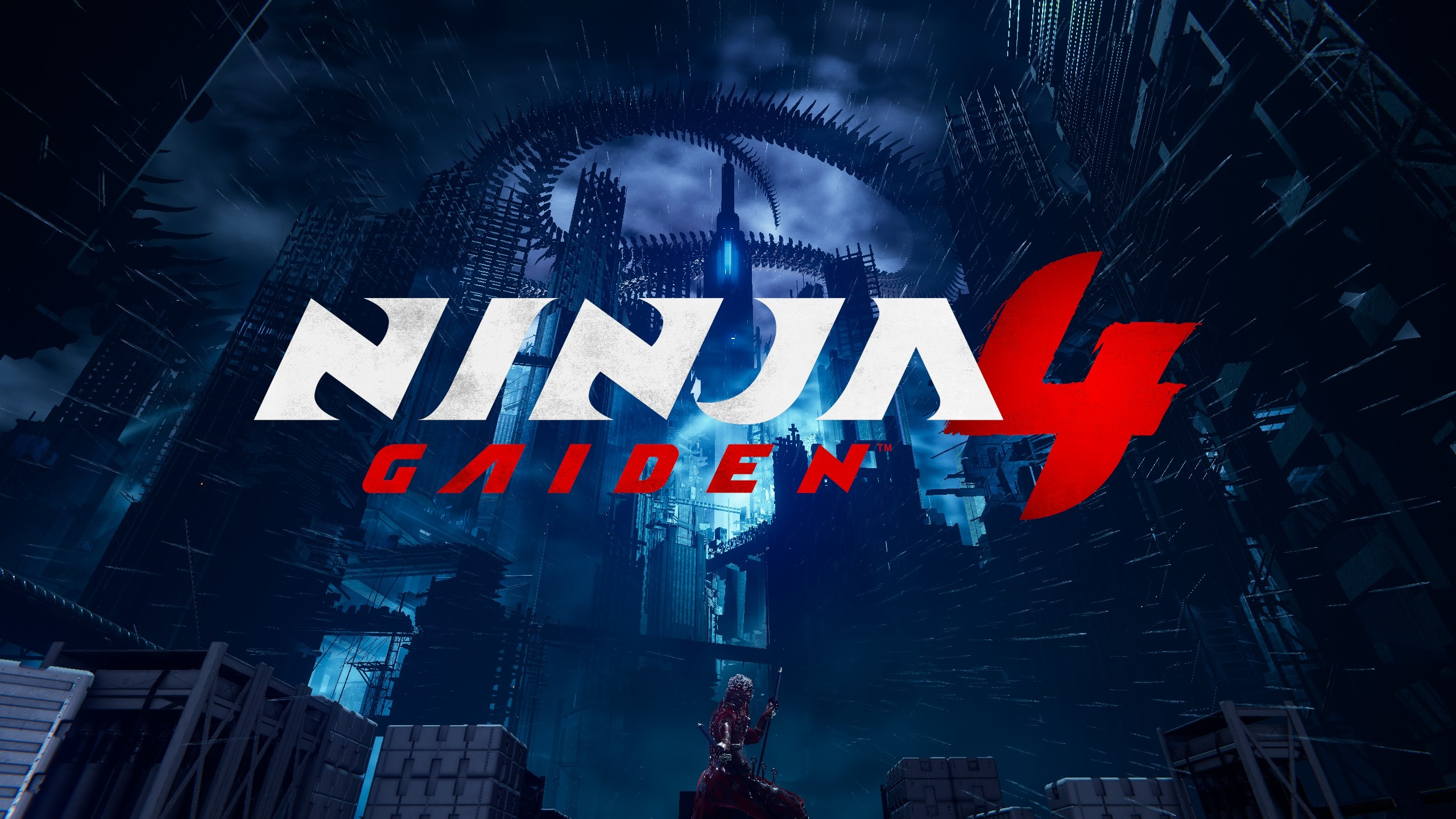
Ninja Gaiden 4 has finally arrived to largely positive reviews, and the franchise is making a spectacular comeback. The dream collaboration of Team Ninja and Platinum Games brought Ninja Gaiden 4;4; this combat system, whichsystem, which many are calling one of the most exceptional of the 3D action genre, was the foremost achievement here. Unfortunately, the game falters with a narrative, a protagonist, and level design despite the fighting mechanics being “phenomenal” and “incredibly fast.”
The Phenomenal Combat System: Where Ninja Gaiden 4 Shines
Ninja Gaiden 4’sGaiden 4’s main corestrength rests on the harsh, gratifying, and very deep flexible combat system, which imparts the direct method of Ninja Gaiden 2 and is a natural sequel to it. This is definitely a game of non-stop challenge and ultra-fast reflexes, which is a good change of pace from the generally slow, stamina-consuming, and methodical type of action games/styles that are currently popular.
Relentless Enemy Aggression
The baddies of Ninja Gaiden 4 are quite merciless. They don’t do it one at a time, attacking you from places where you cannot see, using moves that cannot be blocked,system,, and thus, quickly punishing the player who tries to “turtle up” by blocking continuously with the help them, etc. that put the player under this huge pressure,, which ultimately results in a believable and exciting life-and-death struggle.
The New Platinum Flavor: Blood Raven Form
One can best see the influence of Platinum Games (the developer of Bayonetta and Metal Gear Rising) in protagonist Yakumo’s Blood Raven Form, wherein,, wherein,holding down a trigger,, the weapon transforms into a slower, more powerful variant with a unique moveset.
- Guard Break: By these attacks, the enemy’s guard can be broken or their super attacks can be interrupted; thus, tactically,; thus, tactically, the combat becomes deeper as combat plays an important role in the game.
- Resource Management: The resource tied to the meter that allows the use of the form is the one that, once depleted, dictates player choices of using the high-risk, high-reward ability defensively or offensively.
- Berserk Mode: A new metermeter deals with Berserk and fills with dealt or taken damage. When full, a charged Blood Raven attack can be the cause of short, one-hit cinematic sequences from which the player kills the enemies that fill the whole screen.
Signature Moves and Flexibility
Essentially, the brand of power moves that have always been the big draw of the series are reincarnated with a bang:
- Flying Swallow: One of the most memorable maneuvers that allows you to move rapidly towards an enemy; a follow-up kill is usually the result.
- Izuna Drop: A breathtaking aerial combo that concludes with a soaring hammer strike, a move that can achieve an instant defeat of the majority of the enemies (non-boss ones).
- Ultimate Techniques (UTs): These brief invincible charged combos are the way to go if you want to collect essence from the defeated foes for large damage; a survival tool totally indispensable when fighting against tremendously superior forces.
Besides, users are able to seamlessly change their weapon by just one key press, thus triggering an unfathomable realm of combo ingenuity, which is on par with the greatest character action titles.
Flaws That Cut Deep: Story, Character, and Level Design
On the other hand, the side of Ninja Gaiden 4 that tells a tale of deep flaws, such as story, character, and level design, is a considerable discount to a perfect resuscitation of this brilliant action-packed title.
A Predictable and Flat Story
Story has been the weakest point of the series, and the plot of Ninja Gaiden 4 is, in fact, one of its weakest points. It is about a new leading character, Yakumo of the Ravenclan, doing a 10-hour mission of escorting a priestess to magic seals and finally defeating the Dark Dragon. The storyline is very clichéd, and the emotional attempts crash because the game never sets up the reasons why one should care about new characters. Yakumo himself is often off-target, basically grunting and giving angry threats, which bring about a lame edgelordstyle of character.
Uninspired Level Design
The scenery did not reflect the hectic pace of the gameplay. The levels were the same with very little variation throughout the story mode. Players are taken through:
- Tireless search of the futuristic Tokyo for a rooftop with splendid views, which are absent, and hallways, which are similar to each other.
- Dirty sewer systems and uninteresting military installations that come across as being pretty standard and lacking in story even after leaving the city.
On top of that, player sequences in between travelling, which include walking the rails or soaring on air currents, are there to support the rhythm of the game, but are used often, and thus they seem more like filler than real diversified work.
The Disappointment of Ryu Hayabusa
One of the few bright spots, the appearance of Ryu Hayabusa is lit up in a few chapters, but his tie-in is the largest missed opportunity. Ryu’s tasks require following Yakumo’s footsteps in the same areas and from the same enemies to challenge the bosses again. To add insult to injury, his genre is thin; he just has one weapon and cannot do the full range of moves and forms like Yakumo, thereby making his parts look like a downgrade rather than a relief.
Uneven Boss Battles
Bosses in the Ninja Gaiden series have traditionally not been consistent, and the collaboration with Platinum didn’t solve the problem completely. Some boss battles are really awesome fights accompanied by energetic tunes, but others are disappointing battles against huge creatures with too much health and irritating features like constant teleporting or the annoying spawning of fodder enemies.
A Game of Choices: Difficulty and Economy
There are a number of new features in the game that are meant to help adjust the experience for both veterans and newcomers.
The Upgrade Grind
Whereas in the previous games enhancements would come with weapon upgrades, in Ninja Gaiden 4 the developers have implemented two completely different forms of money:
- Ninja Coin: A currency used for upgrades that can be applied to any character (like the Flying Swallow technique) and for the purchase of consumable items that can be earned by completing side missions and chapters.
- Weapon EXP: Just like in the original game, this is the source of the weapon-specific techniques, and this is obtained by fighting only.
The limited arsenal of the starter is there, and the very early game economy may become pretty harsh for those who have the standard edition of the game, as it is imperative to buy essential techniques such as the Flying Swallow.
Accessibility for All
Ninja Gaiden 4 is a game that honors the player’s freedom of choice by enabling the alteration of the difficulty setting at any time (except in Master Ninja mode).
- Hero Mode: A new mode in the game that features auto-block and auto-dodge, thus enabling more casual players to enjoy the high-octane spectacle of the Ninja Gaiden series without the punishing difficulty.
- Purgatory Gates: Locally challenged rooms where the player can choose the handicap of their health—the higher the handicap, the higher the reward.
Final judgment on Ninja Gaiden 4
Ninja Gaiden 4 is arguably one of the best games of the 3D character action genre and a definite must-play. The combat system is outstanding; it is very fast and deep and allows for lots of creative expression. The game has this one core brilliance, which enables it to get over most of its faults.
Although the level design is boring, the story is disappointing, and the protagonist is too flat, the feeling of mastering the complex, mechanically challenging game makes the whole thing great. If anyone is just after the best pure action, then Ninja Gaiden 4 is such a great accomplishment and the most fun action game since the likes of Devil May Cry 5 and Hi-Fi Rush.